First, Identify Your Body Bottom Type

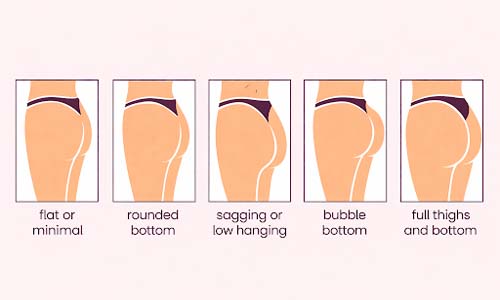
- Flat / Minimal
- Rounded Bottom
- Sagging / Low – Hanging
- Bubble Bottom
- Full Thighs & Bottom
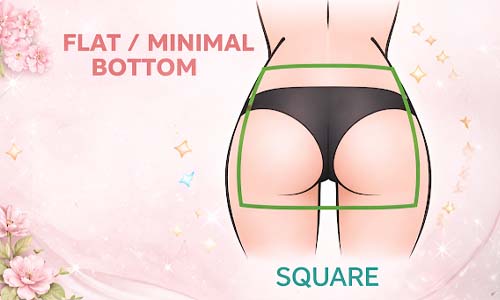
1. Flat / Minimal Bottom (Square Shape)
What to Avoid
✖ High-cut leg openings that slide upward easily ✖ Gathered elastics that create puckering instead of smoothnessWhat Works Best
✔ Cheeky cuts that visually add shape ✔ Flat-edge bikinis, thongs and boyshorts that stay in place ✔ Seamless designs for a smooth, held-in feel ✔ Lightly padded styles if you want subtle enhancement at your back Why it works: These styles create structure and fullness instead of collapsing inward. Detailed guide to: Types of Panty Waist Levels: Low, Mid and High Waist2. Rounded Bottom (Round Shape)
What to Avoid
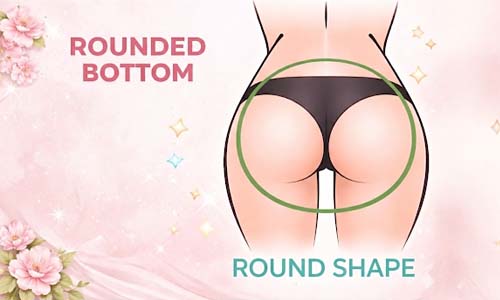
✖ Overly tight bands that squash the contour ✖ Very narrow cuts that divide the shape awkwardlyWhat Works Best
✔ Classic bikinis and hipsters that follow the curve ✔ Moderate coverage to maintain natural roundness ✔ Soft-stretch fabrics that move with you instead of pressing down ✔ Centre-seam designs that subtly enhance shaping Why it works: These styles support your natural curve instead of fighting it. Beginner’s guide to: Is it Safe to Wear Period Panties Everyday?3. Sagging / Low – Hanging Bottom (Natural Drop Shape)
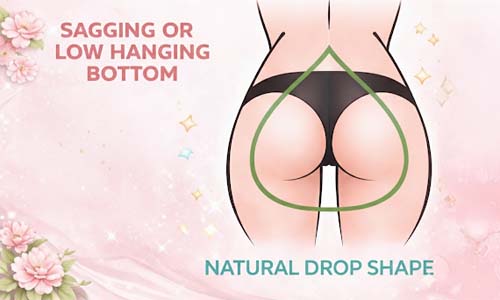
What to Avoid
✖ Low back coverage ✖ High-cut legs that expose too much underneathWhat Works Best
✔ Full briefs, hipsters and structured bikinis ✔ Boyshorts that gently lift and hold ✔ Bottom-lifting shapewear styles for smoother contour ✔ Wider back panels for stability during long hours Why it works: When you have more fabric at the back, you have better distribution, better hold, and less strain on one area. Instead of chasing lift, these styles provide quiet support all day. You may also like: Do Hipster Panties Suit Petite or Plus-Size Women?4. Bubble Bottom (Bubble Shape)
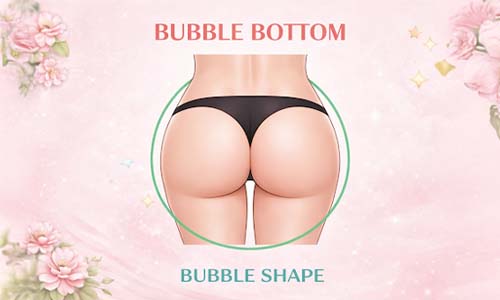
What to Avoid
✖ High-cut panties that creep into the centre ✖ Choosing a smaller size for a “tighter” fitWhat Works Best:
✔ Go one size up if needed for proper back coverage ✔ Centre back seams — they contour instead of flattening ✔ Ruching or gathered detailing that complements volume ✔ Stretch fabrics for a flexible fit and to adapt to your movements ✔ Boyshorts or tangas for balanced coverage Why it works: These designs accommodate projection instead of compressing it. When the fabric depth matches your shape, everything stays where it should.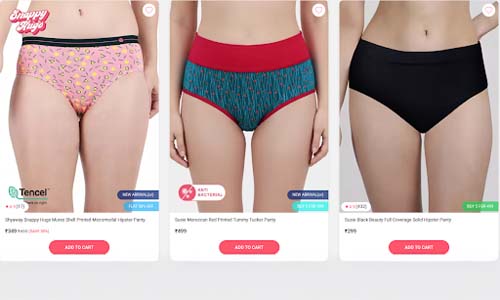
5. Full Thighs & Bottom (Pear Shape)
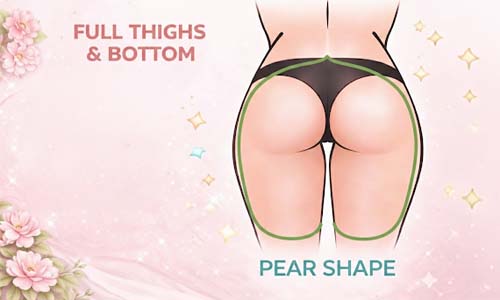
What to Avoid
✖ Tight elastic around leg edges that press into the thighs ✖ Narrow openings that restrict movementWhat Works Best:
✔ High-cut designs — they create more room for thighs ✔ Laser-cut or seamless panties that don’t dig ✔ Full-coverage panties that distribute fabric evenly ✔ Stretchable boyshorts and bikinis for flexibility ✔ V-shaped thongs that reduce front pressure Why it works: A larger and softer leg opening prevents binding and improves mobility. And most importantly, you feel supported rather than squeezed.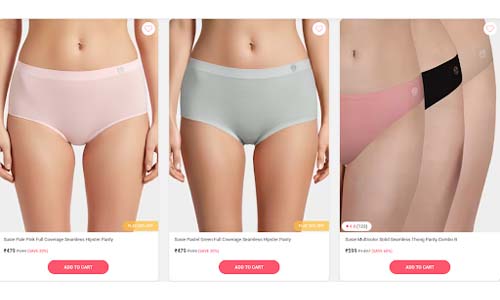
The Real Problem Most Women Don’t Know
It’s not always the panty. It’s how we wear it. Many of us unknowingly:- Wear panties too low in front
- Pull them too high at the back
- Choose size based only on waist, not hips
- Skip adjusting the fabric after wearing
The Right Way to Wear Panties
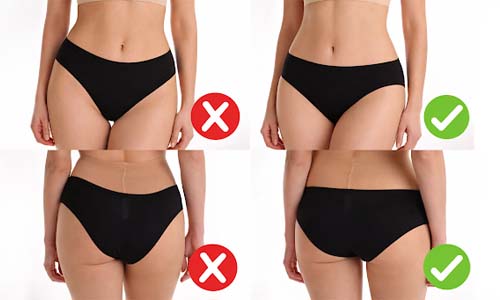
- The Level Check: The waistband should be level from front to back. If it’s dipping in the front and pulling up in the back, you likely need a larger size or a higher rise. Always choose size based on the fullest hip measurement, not waist.
- The “Two-Finger” Rule: You should be able to slide two fingers comfortably under the waistband and leg openings.
- The “Settle” Technique: Don’t just pull the panty up. Once you put them on, use your hands to “settle” your bottom into the cups of the fabric and ensure the “cheeks” are fully encased or properly framed to distribute them evenly.