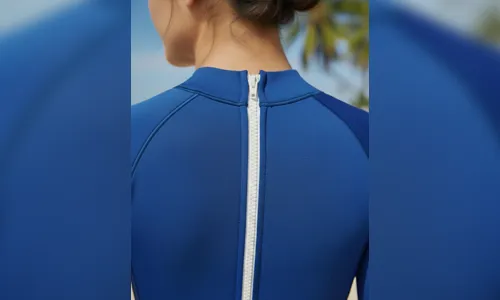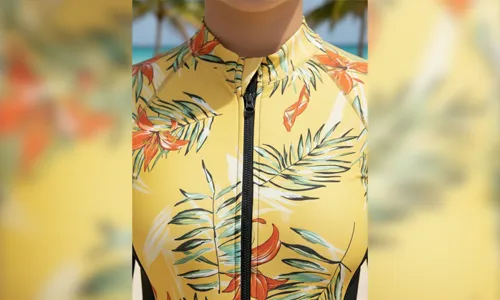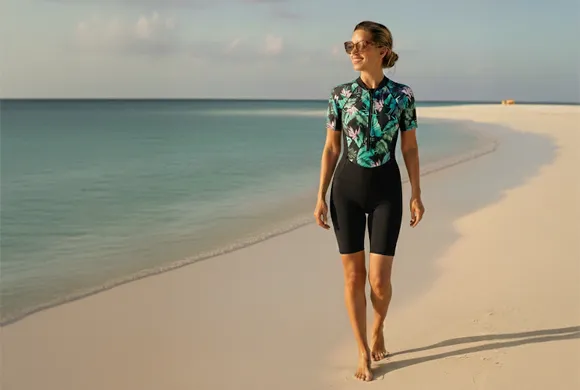
Let’s Know More About One-Piece Swimsuit
The one-piece swimsuit provides full coverage from the bust to the hips in a single sleek piece. Made from flexible, form-fitting fabric, it offers the comfort necessary to stretch during a deep paddle and get back into shape during a quick pop-up. They also offer a layer of protection against board rash caused by the wax on your surfboard. Today, these suits come in a diverse range of styles and cuts.Types Of One-Piece Swimsuit Style
With varying degrees of coverage for your torso to lower body, there are different one-piece styles in various neckline and sleeve styles. Long-sleeve: Long-sleeve styles cover the full arm and torso, making them ideal for spending a long time in water, surfing or extra UV protection.
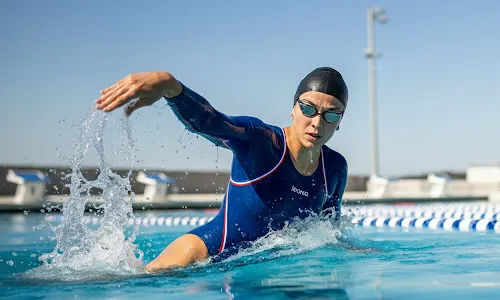
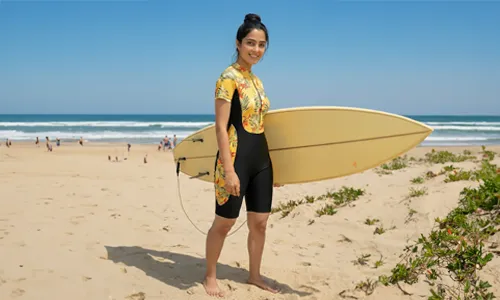
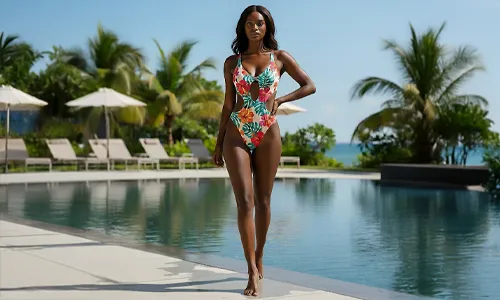
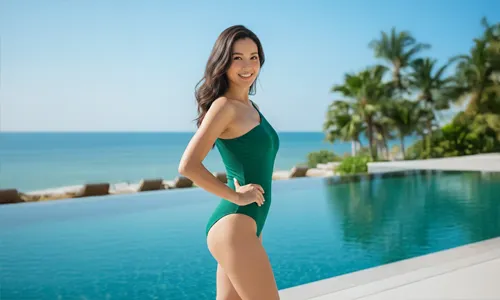
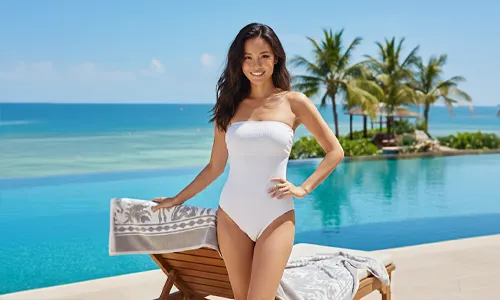
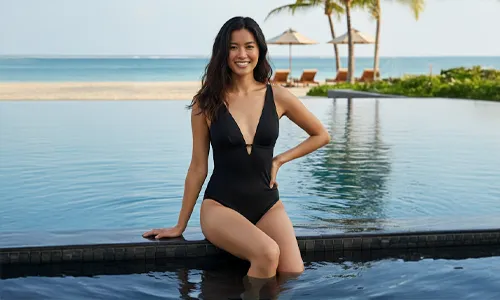
Why You Should Buy A One Piece Swim Suit
| Coverage | The modest coverage from neck to thighs makes it easy and worry-free while swimming across waves. Figure flattering effect |
| Figure Flattering Effect | One-piece swimsuits feature compressive fabrics that shape the tummy and smooth the midsection for a refined, slimming silhouette. |
| Less Tanning | While other styles leave your skin highly exposed to the sun, the high coverage of a one-piece makes it easier to manage your tan and limit sun exposure. |
| Sophistication | Comfort should be at the top of the checklist. When you are riding a wave, you should be at most ease in your dress to perform well. |
Non-Negotiatable Size
Trust me, comfortable fit is directly proportional to performance, nothing should disturb your performance. If you have a long torso or a fuller bust, don’t be afraid to size up. It’s all about ensuring you feel secure and covered rather than constantly adjusting your suit while chasing tides. Not all fabrics are created equal. If a suit is stiff or structured, grab a size larger. If it’s very stretchy, you might find your perfect match in your usual size (or even one size smaller). Every brand has a different size chart. Always take extra time to peek at the brand’s specific size guide before panic buying.Stretch Matters
Choosing the right one-piece is not just about fit; it’s about the functionality. To know about the functionality, you should understand what kind of fabric it is made of. Picking the right fit ensures your suit lasts longer and moves naturally with your body. Whether you’re a competitive athlete or a weekend swimmer, understanding the fabric of your swimwear is the first step in choosing a swimsuit. Most swimwear is crafted from high-stretch fabrics that provide a compressive fit. This compression engages your core and makes your body structure more slimming, helping you move through the water effortlessly.
Fabric |
Key benefits |
Supported Activities |
| Nylon (Polyamide) Blends | Soft and lightweight | Casual Swimming, Sunbathing, Resort Lounging |
| Polyester Blends | Resist the thinning and fading caused by high-chlorine environments in public pools. | Lap Swimming, Water Aerobics, Swim Team Practice |
| PBT (Microfibre Polyester) | Known for its durability and compression. | High level Training, Triathlons, Professional Diving |
| Polyester Spandex | Allows to stretch, reach, and twist without losing the shape | Surfing, Paddleboarding, Beach Volleyball |
| Stretch Mesh | Breathable, designed for ventilation dries quickly | Swimwear, Coastal Sightseeing |
Finding The Right One- Piece Suit

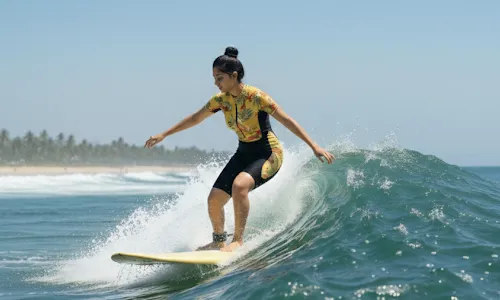
Type of One-Piece |
Key Features |
Best Activities |
| V-neck Swimsuit |
|
|
| Long Sleeve swimsuit |
|
|
| Knee/Thigh Length swimsuit AKA Legsuit | Bottoms extend to the thigh or knee (like bike shorts). |
|
| Monokini |
|
|
| Strappy swimsuit | Ties at the neck or thin adjustable straps. |
|