Why the Right Fit Matters More Than You Think?

A Well-Fitting Bra Can
- Support your breast tissue and improve posture
- Prevent neck, shoulder and back pain
- Make your clothes look and feel better
- Boost your comfort and confidence all day long
Most Common Bra Fitting Issues and Their Solutions
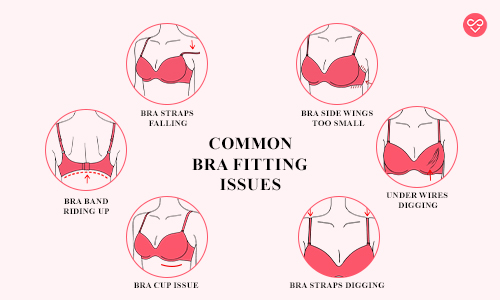
Here’s the good news: most bra fitting issues are common and fixable.1. Visible Bra Lines (VBL)

Why Does It Happen?
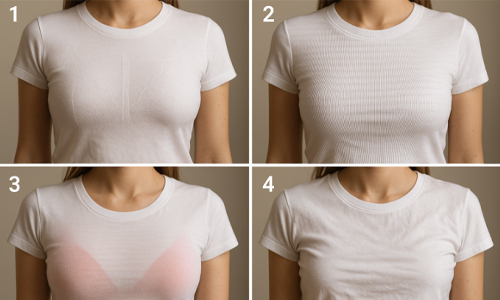
- Seams and Stitching – Textured seams or lace detailing can press through light or clingy fabrics.
- Thick or Uneven Padding – Uneven cups or heavy padding often create ridges.
- Bold Colours Under Light Clothes – A red bra under a white top, you get me right?
- Improper Size – A bra that’s too tight or too loose shifts, wrinkles and shows through your outfit.
- Worn-Out Bras – Old bras with distorted cups or stretched-out bands become more visible under clothes.
Quick Fix Solutions
But don’t worry, we’ve got bra outline solutions that actually work, so you can wear what you love, without the lumps and bumps.- Go Seamless – Choose seamless bras with smooth cups and no external stitching. These disappear under most tops.
- Pick T-Shirt Bras that are designed specifically for smoothness and invisible support.
- Choose Moulded Cups, which offer structure and contour without bulk, perfect for hiding lines.
- Opt for Microfibre or Nylon – These fabrics lay flat against the skin and reduce textural interference with your clothing.
- Try Skin-Tone Shades – Matching your bra colour to your skin tone creates a near-invisible base under light fabrics.
2. Bra Straps Keep Falling Off
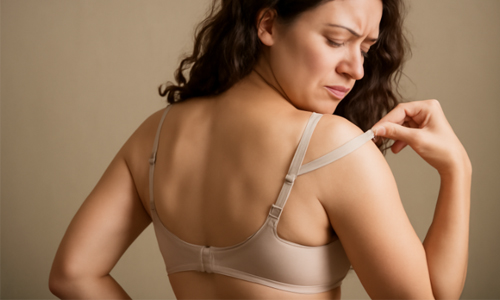
Why Does It Happen?
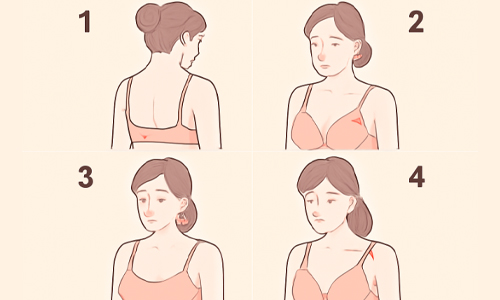
- Your band is too loose and not anchoring the straps properly.
- Your cups are too big, causing gaping and slippage.
- The straps are too wide-set for your shoulder shape.
- You’re wearing the wrong style for narrow or sloping shoulders.
Quick Fix Solutions
Before tossing your bra in frustration, try this:- Downsize the band – To create tension that holds the straps up.
- Go for a smaller cup size if there’s too much space between your breasts and the cup.
- Look for bras with close-set or convertible straps to reduce slipping.
- Try a racerback or T-back style for narrow shoulders.
- Check if the straps are adjustable, which allows you to move them inward.
3. Nipple Visibility Through Clothes

Why Does It Happen?
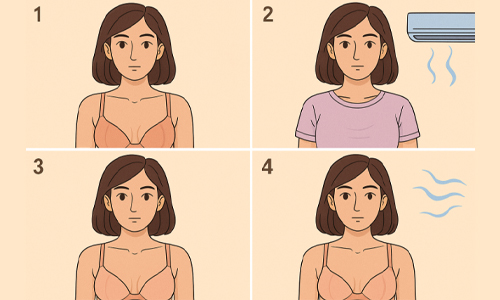
- You’re wearing a non-padded bra that doesn’t offer enough coverage.
- The fabric is too thin or too sheer to conceal nipples.
- Your bra lacks a moulded or lined cup to create a smooth shape.
- Weather changes, especially cold climates or air conditioning, can cause nipples to protrude.
Quick Fix Solutions
We’ve got solutions to stop nipple show-through, so you can feel confident and comfortable without any distractions.- Switch to a padded or moulded bra – These bras provide a smooth finish and conceal nipples effectively.
- Opt for T-shirt bras – Their seamless design works brilliantly under fitted clothing.
- Try bras with thicker fabric or double lining – Extra layers equal better coverage.
- Consider nipple covers or silicone petals for outfits where a bra isn’t an option.
- Look for high-quality cups that maintain their shape after washing.
4. Underwire Digging In
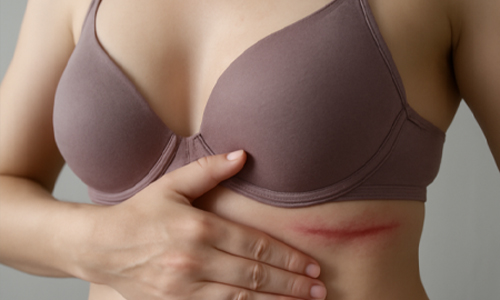
Why Does It Happen?
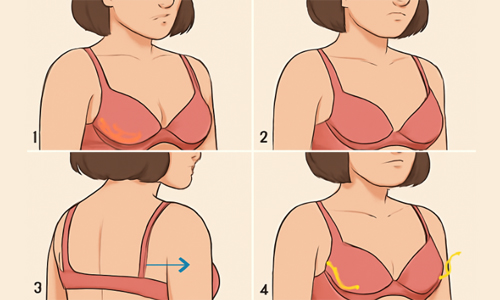
- The cup is too small, causing the wire to press against your skin.
- The wire shape doesn’t match your breast root or natural curve.
- The band is too loose, shifting the weight onto the underwire.
- You’re wearing a bra that’s too old, and the wires have become warped or bent out of shape.
Quick Fix Solutions
Before you give up on that favourite bra, try these fixes:- Go up a cup size, which will allow the wire to sit comfortably under your breast tissue.
- Choose a bra with a more flexible underwire to accommodate different breast shapes.
- Tightening the band will take the pressure off the wire, making the fit more comfortable.
- Try bras with soft or flexible wire options or wire-free support for comfort without sacrificing shape.
- Worn-out wires will lose their structure, so it’s time to retire those old bras after a certain point.
5. Side Spillage in Bras (Underarm Bulge)
Why Does It Happen?
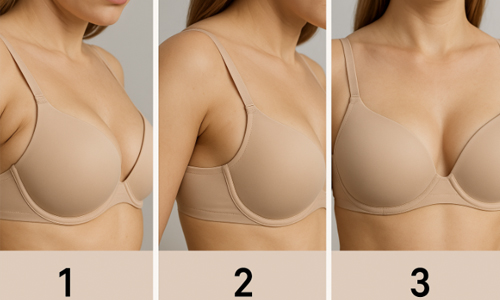
- Your cups are too small, leaving breast tissue spilling out of the sides.
- The bra has low side wings that don’t provide enough containment.
- Your bra’s design lacks side support or compression.
Quick Fix Solutions
Before you reach for a new bra (or hide under a loose top), try these side spillage solutions:- Size up in the cup to make a world of difference in coverage.
- Choose bras with higher side panels to give better containment and prevent spillage.
- Look for bras with side boning or compression panels to provide support and shape, especially for fuller busts.
- Try styles designed with wider wings for more coverage.
6. Gaping or Wrinkling in Bra Cups
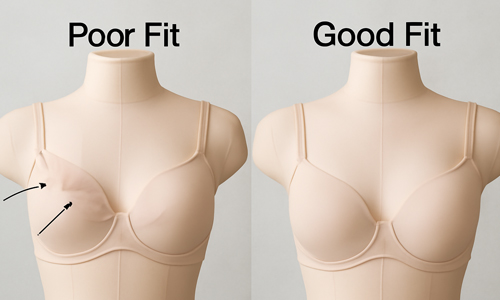
Why Does It Happen?
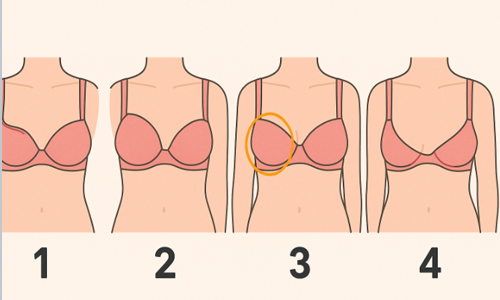
- Your cup is too big, leaving extra space that your breast tissue doesn’t fill.
- Your breast shape may not match the cup shape, causing it to wrinkle or gap.
- You might have uneven breasts (which is completely normal!), and one side doesn’t fill the cup as well as the other.
- The improper bra’s construction fails to provide enough support or structure for your shape.
Quick Fix Solutions
Before giving up on that bra forever, here’s what you can do:- Size down the cup to fill up more naturallyTry moulded cups or padded bras, which can give structure and help fill out the space.
- Consider bras with flexible cups to adjust to your shape more comfortably.
- For asymmetry, use removable padding or adjustable inserts to balance out the gap.
- Check the wire placement – The underwire should sit directly at the base of your breast tissue.
7. Spillage Over the Top (Quad-Boob)
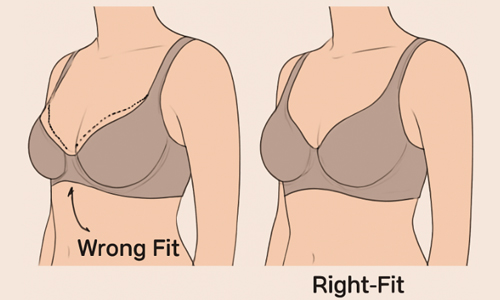
Why Does It Happen?
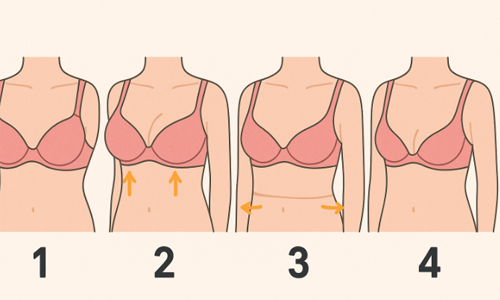
- The Cup is Too Small – When your cups are too small for your breast size, the tissue spills over the edges.
- You’re Wearing a Push-Up Bra – Push-up bras add extra padding, which can push the tissue upward and outward, causing overflow.
- Your Band Size Is Too Big – If your band is too loose, it fails to provide enough support, causing the cup to collapse and the tissue to spill over.
- Incorrect Cup Style – Certain cup styles, like plunge or balconette, may not fully contain your breasts, especially if you have fuller breasts or wide-set breasts.
Quick Fix Solutions
Before you decide to give up on bras altogether, try these adjustments:- Go Up a Cup Size – It can make a world of difference in preventing spillage. Ensure your breasts are fully contained, with no excess tissue hanging over the edges.
- Consider a Full-Coverage or 3/4th Coverage Bra – These styles provide more space and better coverage, especially for fuller busts, ensuring the breast tissue stays inside the cup.
- Choose a More Structured Bra – Opt for bras with thicker, firmer cups that support the breast from the base up, keeping everything in place.
- Check the Band Size – If you notice spillage, the problem might be a loose band. Tighten the band to create more lift and support, and make sure the band is level all around your body.
- Avoid Low-Cut Styles – if you experience quad-boob.
8. Bra Band Rides Up the Back
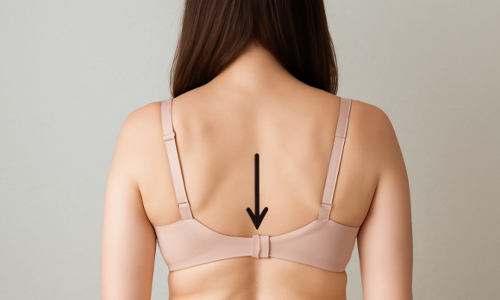
Why Does It Happen?
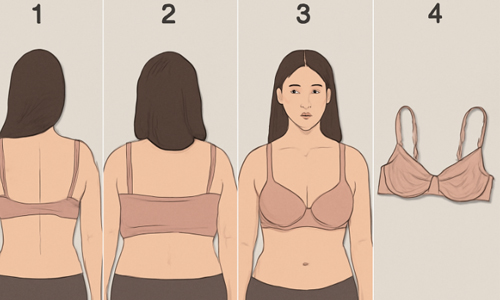
- Your band is too loose, causing it to slide up rather than stay in place.
- You’re wearing a band that’s too wide, making it harder to sit flat.
- The cups may be too small, forcing the band to take on too much weight.
- The bra is simply worn out or not built for long-term support.
Quick Fix Solutions
Before you give up on your bra, consider these fixes:- Tighten the band to keep the fit in place.
- Go down a band size to prevent slippage.
- Try a full-coverage or high-back style for a more stable structure and to prevent the band from rising.
- Avoid stretchy bands – They lose their shape over time, leading to shifting.
- Check the underwires – Ensure they sit properly under the breast tissue to prevent unnecessary movement.
9. Centre Gore Doesn’t Lay Flat
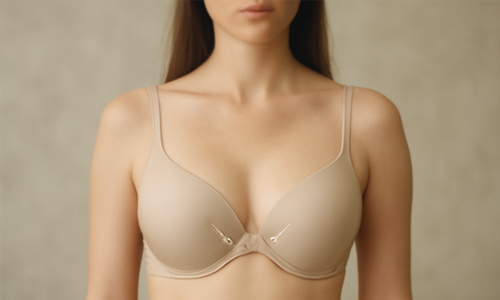
Why Does It Happen?
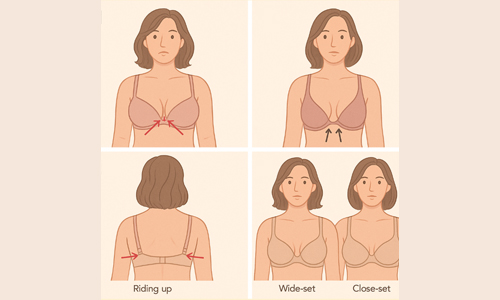
- Your cup size is too small, causing the gore to lift away from your chest.
- The bra style doesn’t match your breast shape or spacing, leading to an improper fit.
- Your band size might be too large, making the bra ride up and pushing the gore out.
- Your breasts may have wider or closer spacing, affecting the fit of certain styles.
Quick Fix Solutions
Before ditching your bra, try these adjustments to make it work:- Size up the cups to allow the gore to sit flat.
- Opt for a style with a lower or wider gore if you have a wider breast separation. They will provide more comfort and a better fit.
- Check your band size – A band that’s too loose can pull the front of the bra up, causing the centre gore to lift.
- Choose a plunge bra or demi cup – These styles have lower, more flexible goring that can adjust better to your chest’s shape and spacing.
- Try adjustable gore designs to slightly adjust the width of the gore for a better fit.
10. Bra Straps Dig Into Shoulders
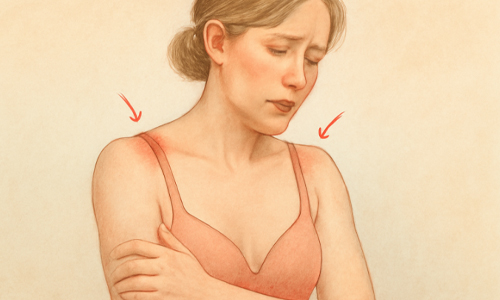
Why Does It Happen?
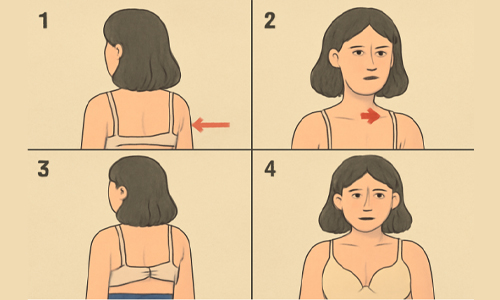
- The band is too loose: When the band isn’t snug enough, the straps take on more weight than they should, leading to painful digging.
- The straps are too thin: Thin straps can’t distribute the weight of your bust properly, which means they put extra pressure on your shoulders.
- The band isn’t providing enough support: If the band is riding up or too loose, the straps will end up doing all the work, resulting in discomfort.
- You’re wearing the wrong bra style for your body: Certain designs may put more pressure on your shoulders, especially if they don’t fit your shape properly.
Quick Fix Solutions
Before you resign yourself to uncomfortable straps, try these fixes to relieve the pressure on your shoulders:- Tighten the band, not the straps – If your band is too loose, it’s doing little to support you. Tightening the straps might seem like an easy fix, but it’s just a temporary solution. The real support needs to come from the band.
- Go for bras with wider straps, they help distribute the weight of your bust more evenly across your shoulders, reducing the chance of digging.
- Look for bras with better band support, bras that feature power mesh bands or extra-wide bands to take the strain off the straps.
- Try padded bras or cushioned straps to alleviate the pressure on your shoulders.
- Consider bras with a U-back or wider back design for more even support and to reduce the pressure on your straps.
11. Bra Feels Great in the Morning, But Awful by Noon
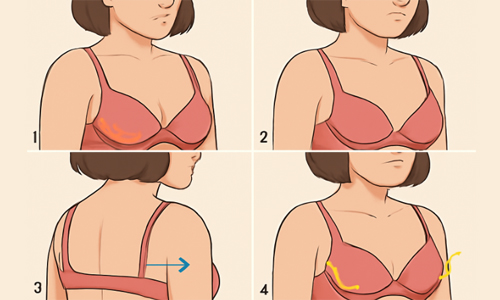
Why Does It Happen?
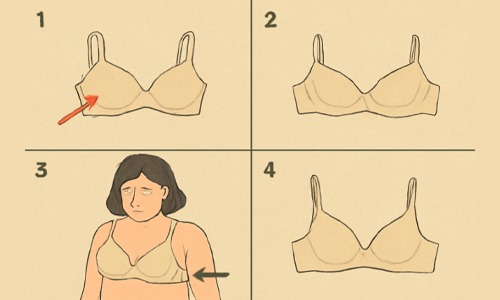
- Your bra is worn out – Fabric, elastic and underwires lose their integrity over time.
- The structure isn’t supporting you properly – Older bras can become less supportive, even if they still look good on the outside.
- Your body has changed – Weight fluctuations, hormonal changes, or pregnancy might affect the way the bra fits over time.
- Poor material choice – Some bras are made with cheap materials that break down faster under daily wear.
Quick Fix Solutions
Before you start dreading the rest of your day, here’s how to get back to comfort:- Replace bras regularly – Bras wear out faster than you think. Make it a habit to replace them every 6–12 months if worn frequently.
- Invest in better materials – Look for bras with power mesh bands, reinforced seams, or supportive linings that offer lasting structure and support.
- Opt for high-quality brands – Bras made from durable fabrics (cotton blends, high-grade spandex) will retain their shape longer.
- Consider a professional fitting – If your body has changed, a fitting can help you identify what your new size needs in terms of fabric and support.
Bonus: Fit Solutions for Specific Needs
Finding the right bra isn’t one-size-fits-all. Every woman’s body is unique, and as our bodies go through different stages of life, our bra needs change, too. Here’s a more in-depth look at bra fit solutions for three key groups: post-pregnancy or nursing moms, plus-size/full bust women and petite frames.1. Post-Pregnancy or Nursing Moms

- Look for wireless nursing bras with stretch cups, clips or pull-down panels that can accommodate changes in your breast size and easily nurse without having to remove your bra.
- Choose bras with multiple band settings so you can adjust them as your body shifts.
- Go for soft, breathable fabrics like cotton or bamboo blends to keep you cool and prevent irritation.
2. Plus-Size or Full Bust
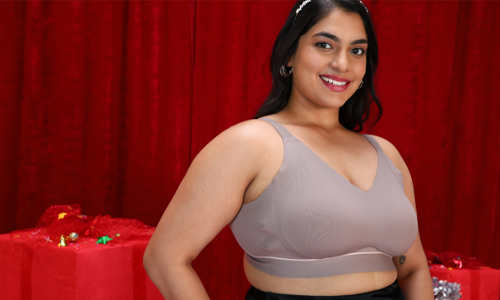
- A bra band with a larger width helps distribute the weight of your bust evenly, reduces the pressure on your shoulders and back, takes the pressure off the straps and prevents uncomfortable digging.
- Bras that have firm elastic in the band and cup provide the necessary lift and support, ensuring that your bra stays in place and doesn’t roll up or shift throughout the day.
- Multi-part cups (those with seaming or extra panels) help lift the bust and prevent “spillover” at the sides or top. A 3/4th cup is especially beneficial for providing separation, reducing the appearance of “uniboob” and offering a more defined silhouette.
- Bras with side support panels or a U-back design prevent that uncomfortable bulge and sliding straps or digging in.
3. Petite Frames

- Plunge bras with shallow cups are designed to provide natural shaping and support without adding bulk. Because the cups aren’t deep, they fit snugly against the breast tissue, providing lift and shape without gaping or causing discomfort.
- Bras that feature close-set straps don’t dig into your shoulders or slip off. These styles are often designed to contour your frame better, giving you a more secure and comfortable fit.
- Bra designs that have light padding or moulded cups for shape provide some lift while being incredibly soft.
- Bralettes with adjustable straps and a bit of stretch will ensure a more customised, comfortable fit.
A Few More Tips for Every Body Type:
Get Re-Fitted Regularly: As your body changes, so should your bra size. Getting refitted every 6 months (or when you notice discomfort) ensures that you’re always wearing the right size. Look for Supportive Fabrics: No matter your body type, look for bras made with quality fabrics like silk, microfibre, or high-stretch cotton. These fabrics provide the right balance of comfort and support.Final Thoughts: You Deserve More Than “Good Enough”
Whether you’re curvy, petite, nursing, ageing, or just figuring it all out, it’s time to stop blaming yourself for these bra fitting issues. Bodies change, sizing varies and let’s face it. You are unique, and your bra should be too. Make your next bra experience the best one yet. Because you deserve it!FAQs
Size & Fit Issues
- How do I know the correct bra size for me?
- How do I know my sports bra size compared to regular bras?
- 32B/32C → Small
- 34C/34D → Medium
- 36C/36D → Large
- The cup size doesn’t fit well in S/M/L seamless bras. What should I do?
Support & Shape Issues
- What type of bra is best for sagging, heavy breasts?
- Can I use padded bras if I have a heavy bust?
- Do minimiser or no-sag bras help improve sagging?
- Will moulded non-padded bras help hide nipple visibility?
Coverage Types – Queries
- What’s the difference between demi coverage, 3/4th coverage and full coverage bras?
- Demi Coverage: Covers half the breast and provides less support than the other two styles. These are great for low-cut outfits or push-up effects.
- 3/4th Coverage: Covers most of the breast and offers better support than demi coverage bras.
- Full Coverage: Covers the entire bust and provides complete support. These styles are ideal for heavy busts.
- I have a big bust and want to minimise its appearance. What kind of bras should I try?
- I feel uncomfortable going out without a shawl—can a bra really help?