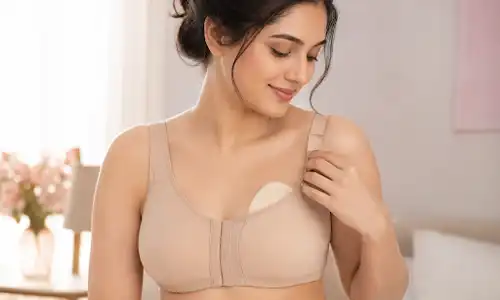
Why Do Girls Wear Bras? 8 Real Reasons Worth Knowing

M
Secret Desires
Let’s be honest — the bra is one of those things most of us never really question. We wear one, we take it off at the end of the day (with immense relief, let’s be real), and we move on. But have you ever stopped to actually think about why you wear a bra in the first place? Beyond the obvious answer of “support”, there’s quite a bit more going on.   Girls wear bras for support, comfort, and confidence. Bras help reduce breast movement during daily activities, ease strain on the back and shoulders, provide coverage, and create a smoother fit under clothing. Some women wear bras for posture support or specific needs such as sports, pregnancy, or post-surgery recovery. Others simply prefer how a bra feels or looks. Ultimately, wearing a bra is a personal choice, and every woman has her own reasons for wearing one or not wearing one. And here’s why choosing the right one matters more than you might think.

What Is the Main Purpose of Wearing a Bra?


At its core, a bra is designed to support breast tissue. Breasts don’t have muscle — they’re made of glandular tissue, fat and ligaments (called Cooper’s ligaments). Without support, those ligaments bear the full load of movement and gravity over time. A well-fitted bra distributes that weight across your torso, taking pressure off the skin and ligaments. But that’s just the starting point. The reasons women wear bras today go far beyond basic anatomy.

8 Real Reasons Women Wear Bras

1. To Reduce Physical Discomfort During Daily Activity
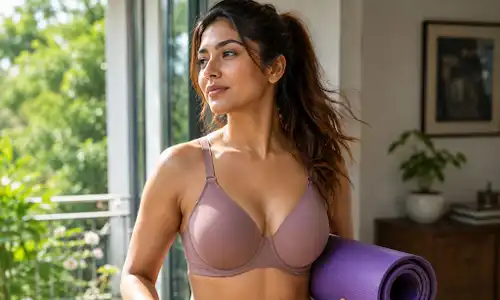
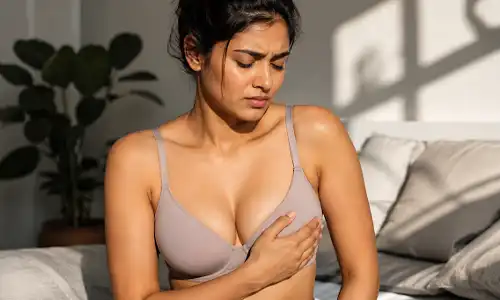
This one is felt more than it’s explained. Anyone with a larger cup size knows exactly what we mean — walking, climbing stairs, or even just moving quickly without proper support can be genuinely uncomfortable.  Breast tissue moves in a figure-eight pattern during motion, and without a bra, that movement creates friction, strain, and sometimes real pain. A well-fitted bra minimises that movement, which means less discomfort throughout the day. This is especially true for women who are on their feet for long hours – teachers, nurses and retail workers – where the cumulative effect of unsupported movement adds up fast. Quick tip: If your bra straps are doing most of the work, that’s a fit issue. About 80% of your support should come from the band, not the straps.

2. To Feel More Confident

This isn’t vanity — it’s deeply personal, and it’s valid. The way we feel in our clothes affects how we move through the world. A bra that fits well and works with your outfit (rather than fighting it) quietly does wonders for posture and presence. Many women describe feeling “pulled together” with the right bra, even under a simple t-shirt. That feeling of things being where they’re supposed to be — it matters. It shows up in how you stand, how you speak, how you engage.

3. To Help Maintain Breast Shape Over Time
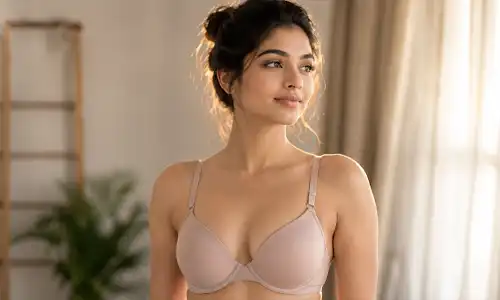
One of the most common questions women ask is: does not wearing a bra cause sagging? The honest answer is — it’s complicated. Sagging (ptosis) is largely determined by genetics, age, pregnancy, breastfeeding and weight changes. A bra won’t reverse those factors. However, consistent support — especially during high-impact activity — may help reduce the stress placed on Cooper’s ligaments over time. These ligaments, once stretched, don’t snap back. Wearing a supportive bra during exercise is, at minimum, a sensible precaution. For women who already experience drooping, an underwire bra or full-coverage style provides a visible lift that makes a meaningful difference in comfort and appearance. Also read: Sports Bra for Women: Can You Wear It Beyond Workouts?

4. To Improve Posture

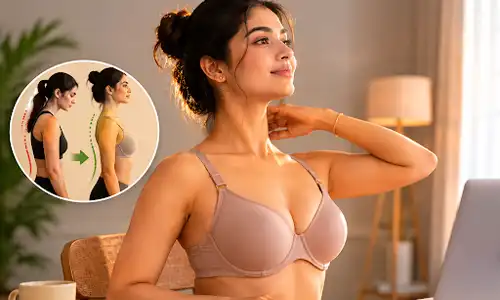
Poor posture often gets blamed on screens and slouching, but breast weight is a real, underacknowledged contributor — particularly for women with a D cup or above. Without adequate support, the natural forward pull of breast tissue can cause the shoulders to round and the upper back to curve. A good bra, particularly one with wide, cushioned straps and a firm band, helps distribute that weight more evenly across the back and shoulders. Over time, this can ease upper back tension and encourage better posture. If you find yourself rolling your shoulders forward by the end of the day, your bra may not be doing enough. Worth Reading: One Bra for All Workouts: Why a High-Impact Is Your New Essential

5. To Manage Breast Sensitivity

Breast sensitivity is more common than most people realise. It spikes during certain phases of the menstrual cycle, pregnancy and perimenopause. For women who experience this, even light fabric brushing against the skin can be uncomfortable. A soft, wirefree bra, particularly one in a breathable cotton or modal fabric creates a gentle barrier that reduces direct contact and friction. It doesn’t eliminate sensitivity, but it makes daily life noticeably more manageable.

6. For Sports and High-Impact Exercise
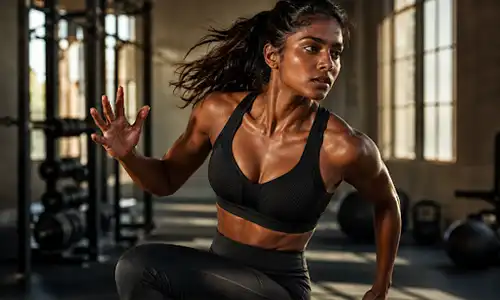
This one is non-negotiable. During running alone, breasts can move up to 15 cm in a single stride without support. That’s a significant amount of repetitive stress on the skin and ligaments. A sports bra isn’t a luxury — it’s protective gear.  Encapsulation-style sports bras (which support each breast individually) tend to offer the best control for high-impact activities like running, aerobics or HIIT. Compression styles work well for lower-impact activities like yoga or cycling. The difference between the right sports bra and a regular bra during a workout isn’t subtle. Your body will tell you immediately. Related read: Top 10 Benefits of Sports Bras For Doing Workout

7. To Make Your Outfits Work Better

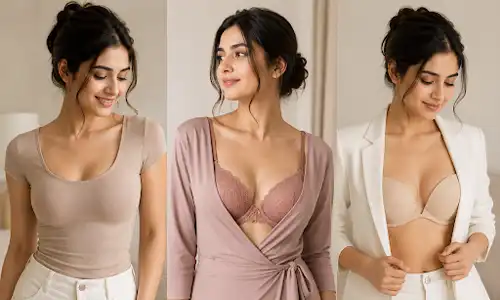
There’s a reason stylists talk about “foundation dressing.” The right bra genuinely changes how clothes sit on the body. 
  • A smooth, seamless T-shirt bra under a fitted top. 
  • A plunge bra that makes a wrap dress work. 
  • A strapless bra that lets a structured blazer lie flat.
None of this is about pretending to have a different body; it’s about wearing clothes that actually look the way they’re meant to look. A bra is infrastructure for your wardrobe, and the right one is worth having.

8. Post-Surgery Support

When you’ve just had breast surgery, a bra stops being about style; it becomes part of getting better. Here’s what it actually does during recovery:
  • Keeps everything in place – After surgery, movement is the last thing healing tissue needs. A snug bra holds things steady.
  • Brings swelling down – That gentle pressure isn’t uncomfortable for nothing. It actively reduces fluid buildup near the incision.
  • Guards the stitches – Fabric rubbing against a fresh wound can be painful. A proper surgical bra sits between you and all of that.
  • Helps tissue settle right – Whether it’s a reduction or a reconstruction, the tissue needs time and support to fall into its new shape.
  • Takes the edge off daily discomfort – Women who wear post-surgical bras through recovery almost always say the pain feels far more bearable.
  • Works across all procedures – Whether it’s a lumpectomy, mastectomy, augmentation, or reduction, the support principle remains the same.
Note: This post is for informational purposes only and is not a substitute for professional medical advice. Always consult your doctor or surgeon for guidance specific to your recovery.

Best Bra Types for Daily Use

Bra Type Best For
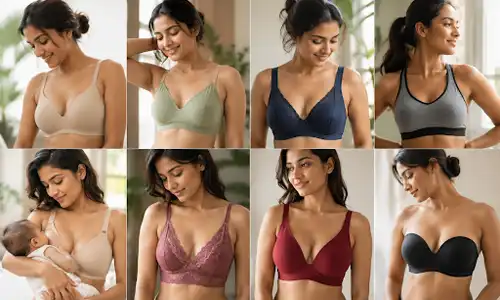
Moulded T-shirt bra Everyday wear, fitted tops
Cotton wire-free bra All-day comfort, sensitive skin
Underwire bra Fuller busts needing lift
Sports bra Workouts, high-impact activity
Nursing bra Breastfeeding mothers
Bralette Light coverage, fashion styling
Plunge bra Low-cut necklines
Strapless bra Off-shoulder outfits
Must read: Occasion-Wise Bra Styles Every Woman Should Own

How Do You Know If Your Bra Fits Correctly?
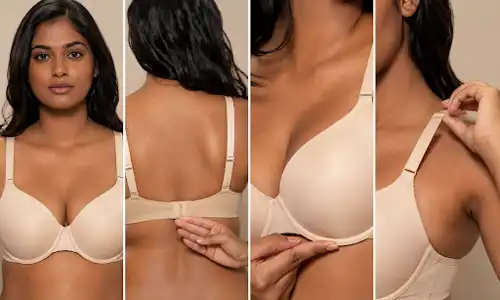
Band – sits flat across your back, without riding up. Two fingers fit underneath, no more. Cups – no gaping or spillage. All breast tissue sits inside the cup. Underwire – flat against the ribcage, not on breast tissue. Straps – stay in place without digging in. If you’re constantly adjusting, the band is too loose. Most women are wearing the wrong size. Getting re-fitted once a year, especially after weight changes, pregnancy or major hormonal shifts can make a real difference. Still confused? Read this: How to Choose the Perfect Bra: The Ultimate Fit Guide

FAQs

  1. Does wearing a bra prevent sagging?
Not permanently. Sagging is caused by genetics, age, gravity and pregnancy — not by skipping a bra. However, consistent support during exercise may reduce long-term ligament stress.
  1. Is it bad to wear a bra all day?
No, as long as it fits properly. A poorly fitted bra causes the real issues — shoulder grooves, back pain, skin irritation. A well-fitted bra worn daily is perfectly fine.
  1. Should I wear a bra to sleep?
Generally no. The skin and tissue benefit from rest. If you want light support at night — during pregnancy or on tender days — a soft bralette is far more comfortable than a structured bra.
  1. At what age should a girl start wearing a bra?
There’s no set age. It depends on when breast development begins — typically between 8 and 13 — and on personal comfort. A wire-free crop top or soft bralette is usually the best first step.
  1. How often should bras be replaced?
Every 6–12 months with regular wear. The band stretches out before anything else. If you’re on the last hook and the band still feels loose, it’s time for a new one.

Sign Up for Our Newsletter

TRENDING POSTS