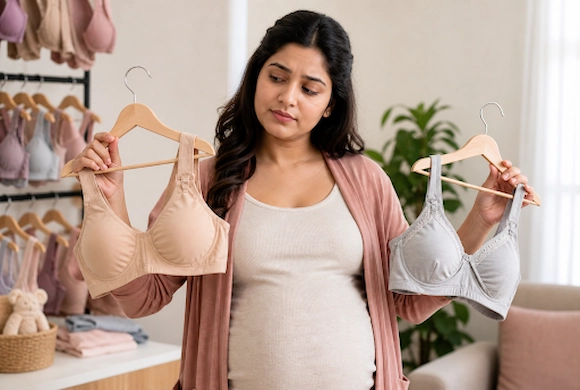
If you’ve ever stood in front of a rack of nursing bras (or scrolled endlessly online) wondering, “Why is this so complicated?”—you’re not alone.
A nursing bra sounds like a small thing, but when you’re wearing it all day (and night), it can either make your life easier…or quietly make everything more uncomfortable.
Let’s talk about the most common mistakes moms make when buying nursing bras—and how to avoid the frustration.
1. Assuming Your Old Bra Size Still Works

This one catches almost everyone off guard.
Your body changes—a lot—during pregnancy and after birth. Cup size, band size, even shape… it’s all different.
What usually happens:
You order your “usual” size, try it on, and it either feels too tight, too loose, or just off.
What actually helps:
Wait until late pregnancy or a few weeks postpartum to measure yourself. And even then, go for bras with stretch and adjustability—because your size will keep changing.
2. Forgetting That Your Size Changes During the Day

Morning vs evening? It’s a totally different story.
Full breasts before a feed, softer after—it’s a constant cycle.
The mistake:
Buying a structured, stiff bra that only fits at one “moment” of the day.
The fix:
Soft, flexible fabrics are your best friend. Think stretch, not structure. Your bra should move with you, not fight you.
3. Choosing Looks Over Comfort (It Happens!)
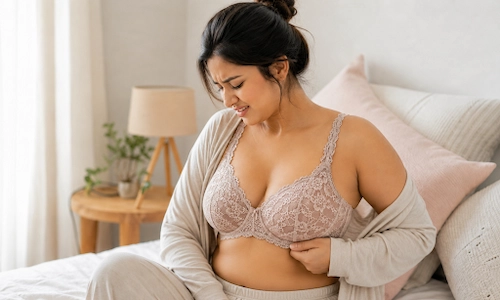
You finally find a cute nursing bra and think, “Yes, I deserve this.” And you do!
But if it’s scratchy, tight or fussy… you won’t reach for it twice.
Reality check:
If it’s not comfortable at hour one, it won’t be comfortable at hour ten.
Better approach:
Find that middle ground—soft fabric, no annoying seams, and still something that makes you feel good.
4. Ignoring One-Hand Access (Until It’s Too Late)
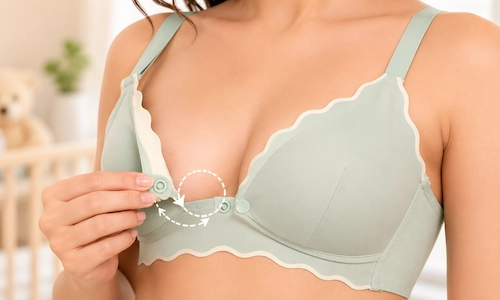
You don’t realise how important this is… until you’re holding a hungry baby in one arm and struggling with your bra using the other.
Common frustration:
Clips that are stiff, awkward, or need two hands.
What to look for:
Easy drop-down cups and clips you can open without struggle. Because when your baby’s hungry, speed matters.
5. Buying Just One or Two Bras
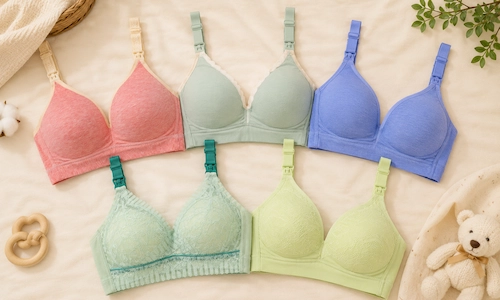
At first, it feels practical. Then reality hits.
Leaks, spit-up, laundry delays—you’ll go through bras faster than expected.
What moms wish they did:
Bought more from the start.
Smart move:
Have at least 3–5 in rotation. It saves you from last-minute stress (and emergency laundry runs).
6. Not Getting Enough Support
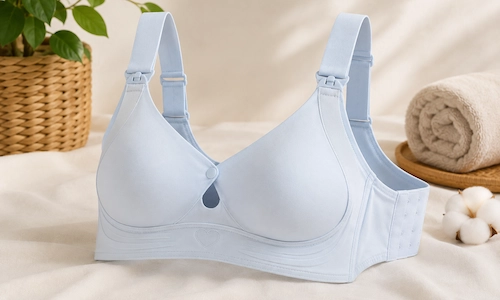
Especially if you have a fuller bust, this one matters a lot.
The issue:
Thin straps, weak bands, and zero structure = back pain and discomfort.
What helps:
Look for wider straps, a strong underband, and good overall support—even in wireless styles.
7. Being Confused About Underwire Bras
You’ve probably heard: “Never wear underwire while breastfeeding”.
That’s not entirely true.
The real problem:
Badly fitted underwire—not underwire itself.
What to do:
If you choose an underwire bra, make sure it fits perfectly and doesn’t press into breast tissue. Otherwise, a good wireless bra is usually the safest, easiest option.
8. Overlooking Fabric (Your Skin Notices!)

Postpartum skin can be surprisingly sensitive.
What goes wrong:
Rough lace, tight elastic, or thick seams start to feel unbearable after a few hours.
What feels better:
Soft, breathable fabrics like cotton or modal. Seamless designs are a game changer.
Final Thoughts
Here’s the honest truth: there’s no “perfect” nursing bra—only the one that works for you.
What matters most is comfort, flexibility and ease. If a bra makes feeding simpler and your day more comfortable, it’s the right one.
And if it doesn’t? Don’t force it. Try something else.
Because when you’re already doing so much, your bra shouldn’t be one more thing you have to struggle with.